
Seasonal Sustainable Cooking Guides
Explore our comprehensive collection of articles, recipes, and practical guides for eco-friendly kitchen practices throughout the year.
The information on this site is for educational purposes only and does not constitute medical advice. Always consult a qualified healthcare professional before making health decisions.
Browse by Topic
Featured Sustainable Cooking Content
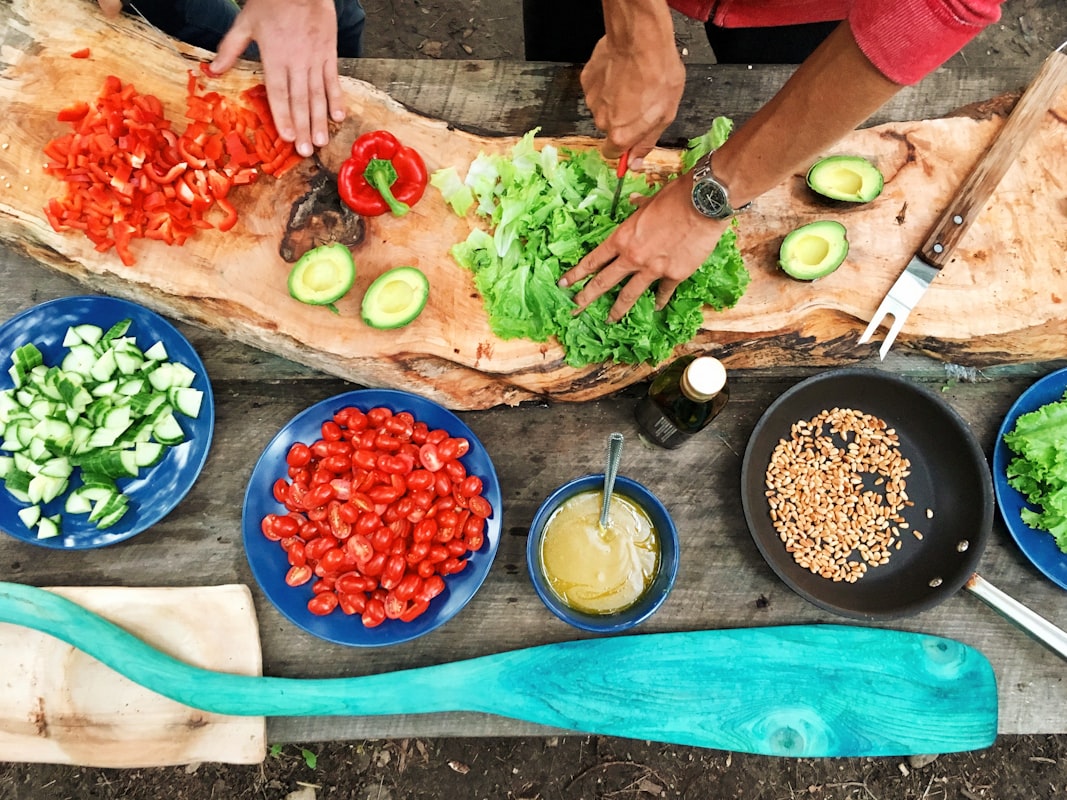
Spring Vegetable Preparation Guide
Discover how to select, store, and prepare fresh spring vegetables at peak ripeness. Learn traditional Austrian techniques for maximizing flavor and nutritional value while minimizing kitchen waste.
Read More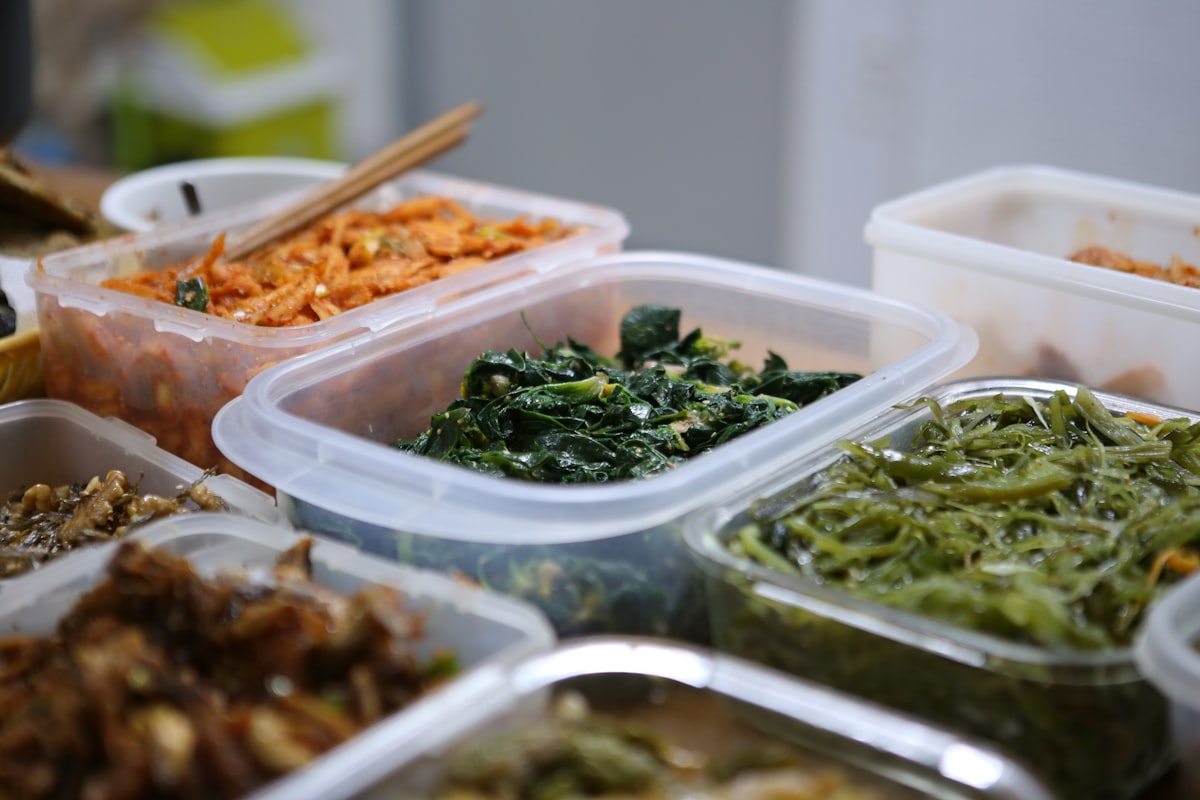
Mastering Whole Grain Cooking
Explore the art of cooking organic whole grains to perfection. This comprehensive guide covers soaking methods, cooking times, and flavor combinations to create satisfying base ingredients for countless dishes.
Learn More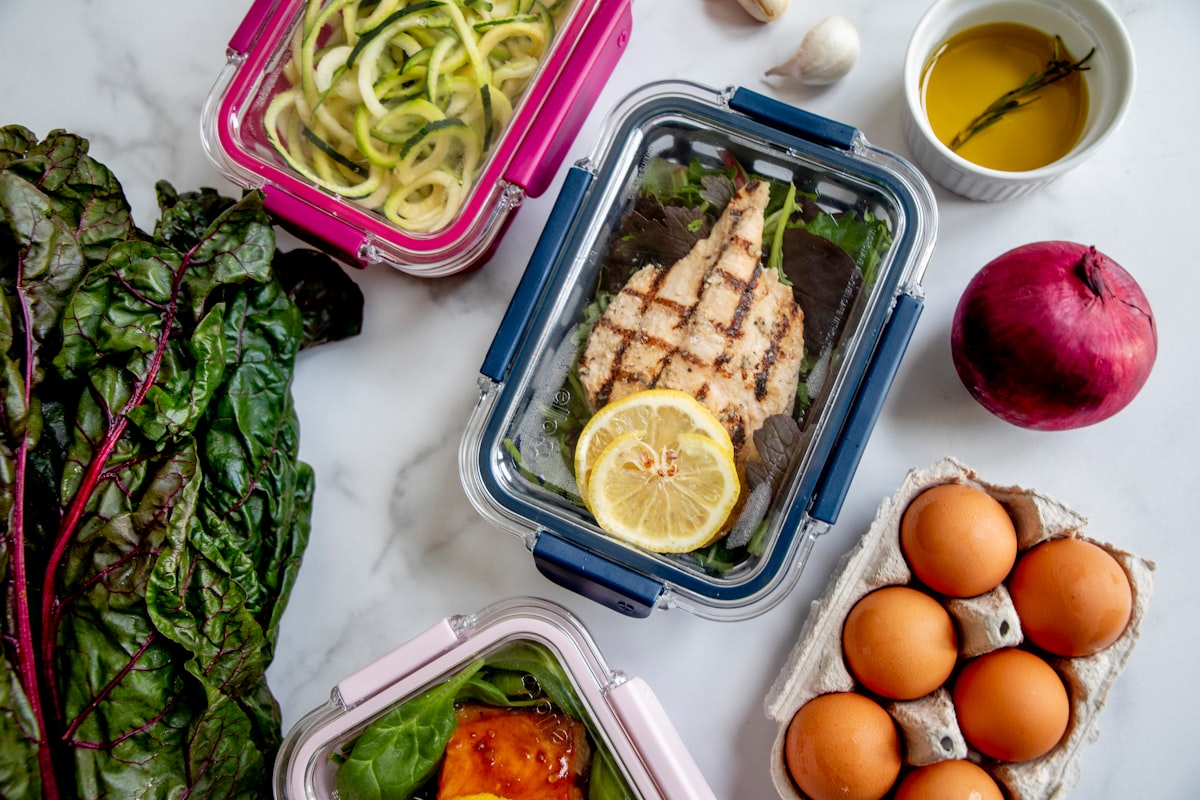
Zero-Waste Vegetable Stock Making
Transform vegetable scraps and trimmings into rich, flavorful broths. Learn how Austrian home cooks have traditionally used every part of the plant to create the foundation of sustainable, delicious cooking.
Explore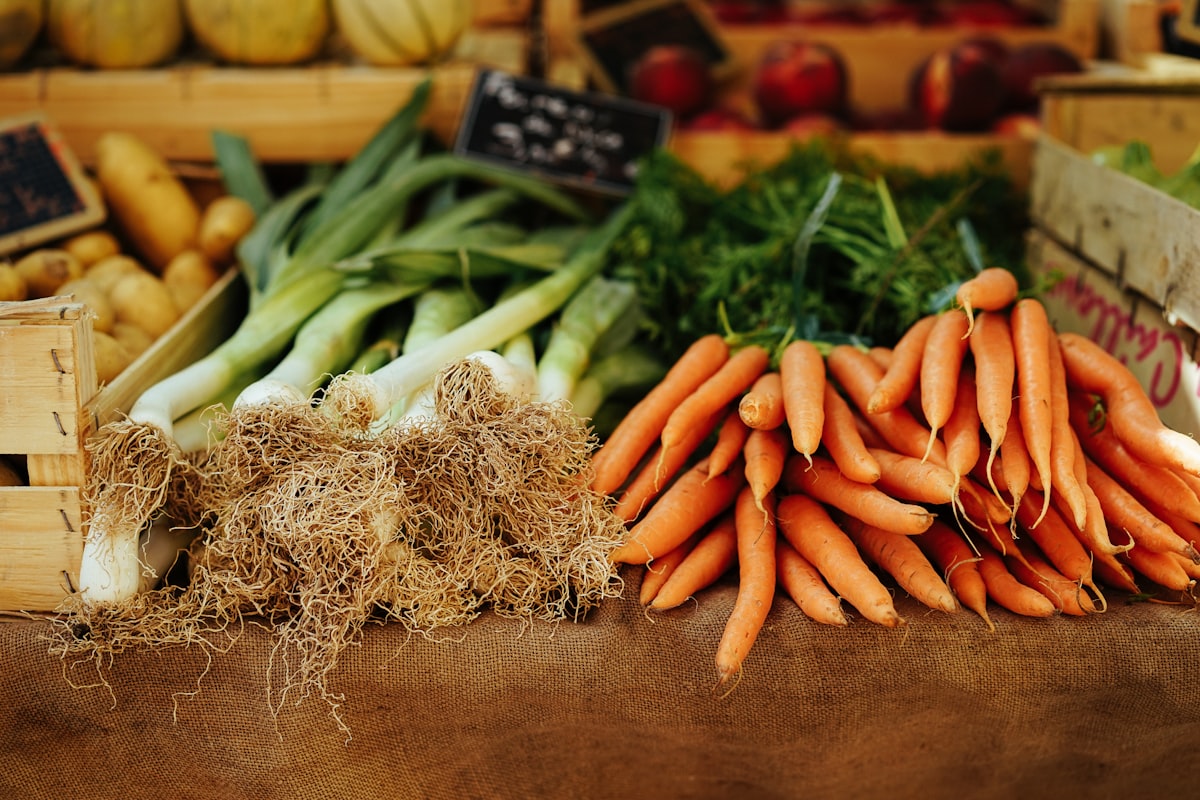
Preserving Herbs Through the Seasons
Capture the vibrant flavors of fresh herbs year-round through drying, infusing, and fermentation techniques. This article shares traditional methods for maintaining a fresh herb pantry with minimal waste and maximum flavor.
Discover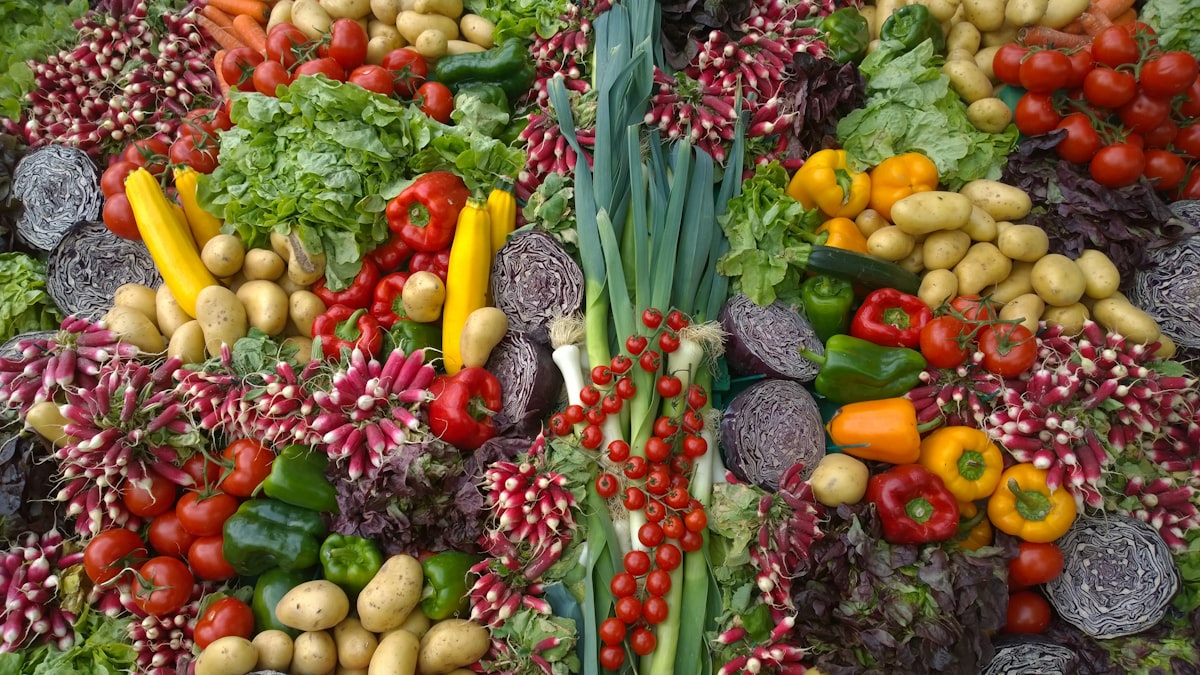
Guide to Local Organic Sourcing in Austria
Navigate farmers' markets, community-supported agriculture programs, and direct farm partnerships. Learn how to identify quality organic ingredients while supporting local producers and reducing your kitchen's environmental footprint.
Read Article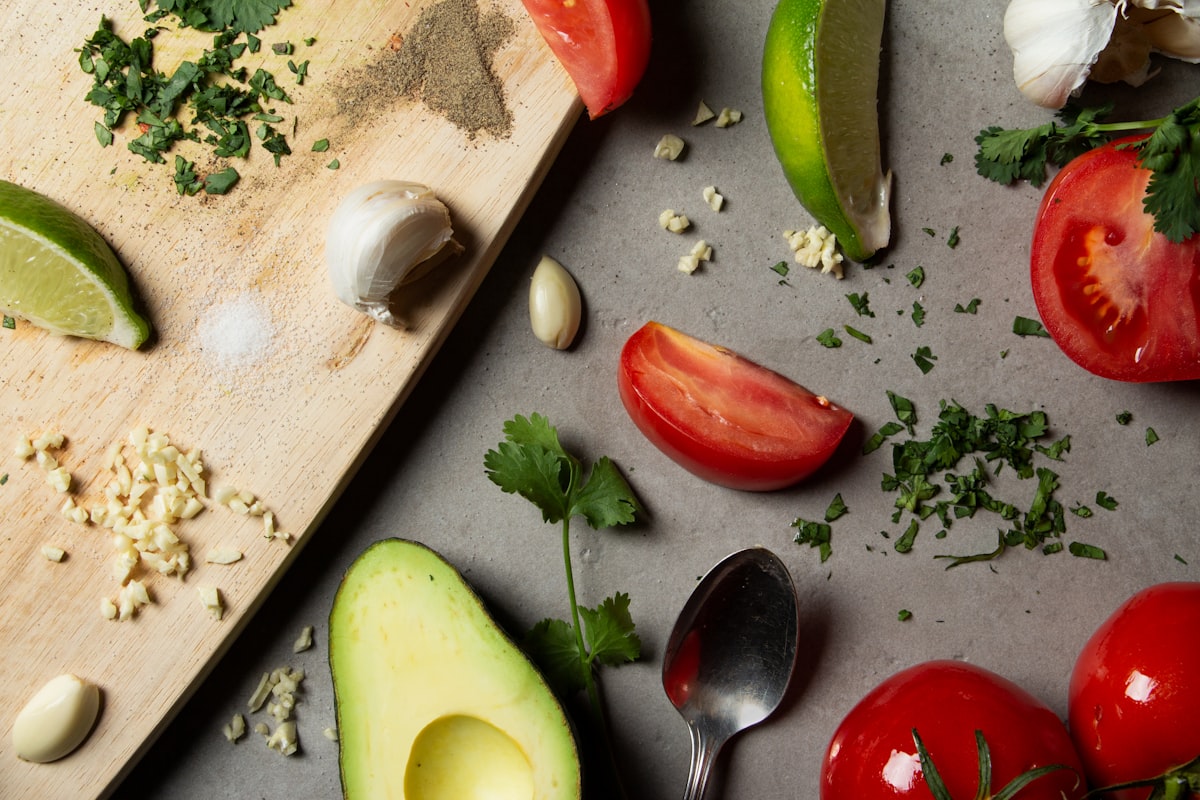
Traditional Fermentation Methods
Explore time-tested fermentation and preservation techniques for vegetables, grains, and condiments. These ancient methods enhance flavors, improve digestibility, and allow year-round enjoyment of seasonal produce with zero waste.
View Guide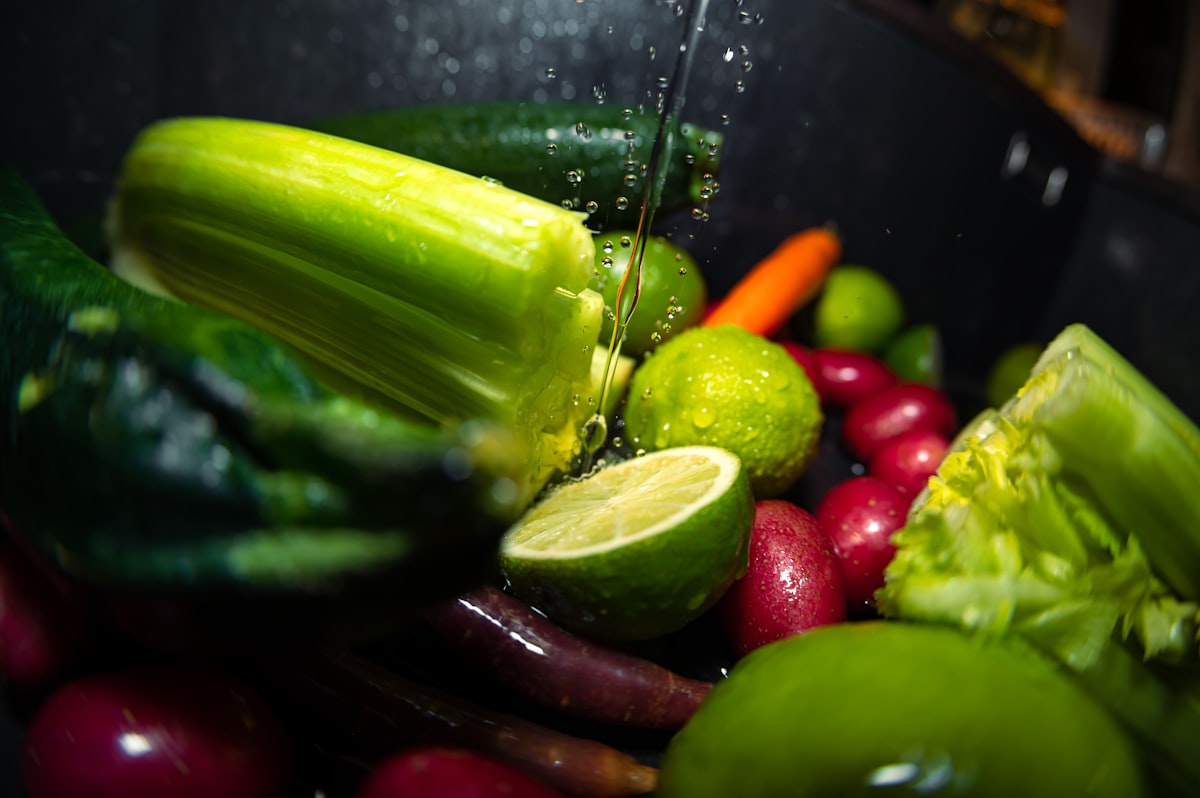
Choosing Eco-Friendly Kitchen Tools
Learn how to outfit your kitchen with durable, sustainable tools that reduce waste over time. This article examines materials, longevity, and maintenance practices that support both your cooking goals and environmental values.
Explore Tools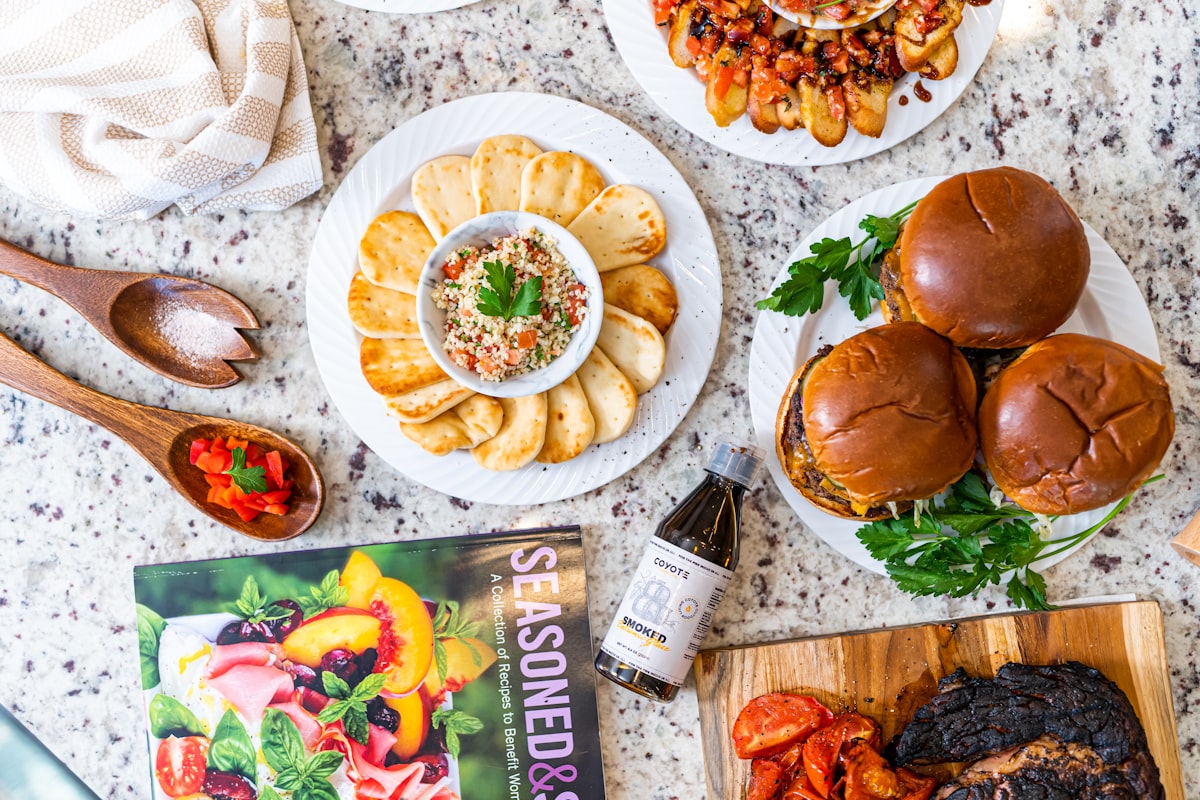
Strategic Meal Planning for Zero Waste
Master the practice of planning meals around available seasonal ingredients and pantry staples. Discover how intentional meal planning reduces food waste, lowers expenses, and creates more satisfying cooking experiences throughout the week.
Start Planning
Why Sustainable Cooking Matters
Every meal you prepare is an opportunity to make choices that benefit your body and the planet. Sustainable cooking practices extend far beyond selecting organic ingredients—they encompass how we source, prepare, and share our food.
By understanding seasonal produce cycles, mastering preservation techniques, and minimizing kitchen waste, you transform cooking from a routine task into a meaningful practice that connects you to local food systems and ecological awareness.
Our editorial content explores the philosophy, science, and practical wisdom behind healthy, sustainable cooking. Whether you're refining knife skills, discovering new recipes, or learning about ingredient sourcing, you'll find guidance rooted in respect for both nourishment and nature.
- Practical recipes and techniques for every season
- Expert insights on ingredient selection and quality
- Traditional preservation and fermentation methods
- Strategies for reducing waste and maximizing nutrition
Your Journey to Sustainable Cooking
Learn the Fundamentals
Discover foundational principles of sustainable cooking—from understanding seasonality to selecting quality ingredients that support both your health and ecological systems.
Explore Techniques
Master practical cooking methods including knife work, grain preparation, fermentation, and preservation that maximize nutrition and minimize waste in your daily kitchen practice.
Build Your Pantry
Learn how to select and organize staple ingredients that form the foundation of sustainable cooking—whole grains, legumes, dried herbs, and quality oils that support year-round meal preparation.
Create & Share
Develop your own cooking practice informed by seasonal awareness, ingredient knowledge, and preparation skills—then share your kitchen journey with community and family through meaningful meals.
What You'll Discover Here
In-Depth Guides
Comprehensive articles covering every aspect of sustainable cooking—from sourcing and storage to preparation techniques and seasonal menu planning.
Recipe Collections
Curated recipes organized by season, ingredient, and technique. Each recipe emphasizes whole foods, minimal processing, and practical preparation methods.
Sourcing Wisdom
Expert perspectives on selecting organic and local ingredients, understanding food systems, and building relationships with producers who share your values.
Zero-Waste Practices
Practical strategies for reducing food waste, preserving abundance, and using every part of your ingredients through fermentation, drying, and creative cooking.
Traditional Methods
Time-tested preservation and cooking techniques—from fermentation and brining to slow cooking and proper food storage that enhance flavor and nutrition.
Expert Insights
Articles exploring the philosophy, history, and science behind sustainable eating practices—connecting cooking to ecology, culture, and personal wellbeing.
Understanding Seasonal Cooking
Seasonal cooking isn't merely a trend—it's a return to cooking practices that have sustained healthy communities for generations. When you align your cooking with what grows naturally in each season, you access ingredients at peak flavor and nutrition while supporting local agriculture.
Spring brings tender greens and new vegetables rich in cleansing properties. Summer offers abundant fruits and vegetables for fresh preparations. Autumn provides hearty squashes, root vegetables, and grains that sustain us as days shorten. Winter calls for preserved foods, stored roots, and slow-cooked meals that warm and nourish.
Our articles explore how seasonal awareness transforms your cooking from an isolated kitchen task into a connected practice that honors both your body's needs and the cycles of nature.
Explore Seasonal Recipes
Common Questions About Sustainable Cooking
What does "farm-to-table" cooking actually mean?
Farm-to-table cooking emphasizes sourcing ingredients directly from local producers—farmers' markets, community gardens, or direct farm relationships—and preparing them with minimal processing. This approach supports local agriculture, reduces transportation impact, and connects you with ingredient quality and seasonal availability.
How do I know if ingredients are truly organic?
Look for official organic certification labels on packaged products. At farmers' markets and from farm stands, ask producers directly about their cultivation practices. Building relationships with local farmers allows you to understand exactly how ingredients are grown and what methods are used.
Can I practice sustainable cooking on a budget?
Absolutely. Sustainable cooking often costs less because you emphasize whole foods, seasonal produce, and legumes rather than processed items. Buying directly from farmers, shopping in season, preserving abundance, and reducing waste all lower expenses while improving ingredient quality and variety.
What is fermentation and why does it matter?
Fermentation is an ancient preservation method that transforms ingredients through beneficial microorganisms. It enhances flavor complexity, increases nutrient availability, and creates foods with natural probiotics. Fermented foods like sauerkraut, kimchi, and miso connect us to traditional foodways while extending seasonal abundance year-round.
How can I reduce waste in my kitchen?
Strategic meal planning around available ingredients, proper storage techniques, and creative use of vegetable scraps (for stocks, broths, and compost) dramatically reduce waste. Learning preservation methods like drying, fermenting, and pickling allows you to use abundant seasonal ingredients throughout the year.
Which tools and equipment do I actually need?
Sustainable cooking requires minimal equipment—a good knife, cutting board, quality pots and pans, and basic utensils suffice. Invest in durable items that last decades rather than disposable tools. Our guides help you select long-lasting, eco-friendly equipment that supports both your cooking practice and environmental values.
Deepen Your Sustainable Cooking Knowledge
Explore our complete collection of articles, recipes, and guides. Learn from seasonal wisdom, traditional techniques, and contemporary insights about cooking that nourishes both body and planet.
What Our Students Say
"This course transformed how I think about food. I now cook with intention and respect for nature. Highly recommend!"
Sarah M.
Home Cook, London
"The recipes are accessible yet sophisticated. I've impressed my family with dishes I never thought I could make."
James P.
Professional Chef, Manchester
"Learning about seasonal cooking has saved me money and helped me live more sustainably. Worth every penny!"
Emma T.
Nutritionist, Brighton
Frequently Asked Questions
Do I need prior cooking experience?
Not at all! Our courses are designed for complete beginners through advanced cooks. We provide step-by-step guidance for every recipe and technique.
What if I have dietary restrictions?
We offer recipes for vegan, vegetarian, gluten-free, and many other dietary preferences. Each recipe includes modification suggestions.
How long do I have access to the course materials?
Once you enroll, you have lifetime access to all course materials, plus any future updates we add. Learn at your own pace!
Can I interact with instructors?
Yes! Premium course members get access to our community forum where instructors answer questions and share additional tips regularly.
Start Your Sustainable Cooking Journey Today
Join thousands of students learning to cook with purpose. Transform your kitchen into a hub of health, sustainability, and delicious food.
🌱 Organic Kitchen Course — Cooking That Nourishes