
Sustainable Healthy Cooking Practices
Discover the comprehensive approach to cooking that nourishes both your body and the environment. Learn how sustainable kitchen practices can transform your daily meals into acts of wellness and responsibility.
The information on this site is for educational purposes only and does not constitute medical advice. Always consult a qualified healthcare professional before making health decisions.
Key Features of Sustainable Kitchen Practices
Organic Ingredient Selection
Choose ingredients grown without synthetic pesticides or artificial fertilizers. Organic farming preserves soil health, supports biodiversity, and delivers produce with superior nutrient density. By sourcing organic vegetables, grains, and proteins, you reduce your exposure to chemical residues while supporting farmers committed to environmental stewardship.
Waste Reduction Techniques
Master the art of using every part of your ingredients. Root-to-stem cooking, vegetable scrap broths, and creative repurposing of leftovers minimize kitchen waste. These techniques not only reduce your environmental footprint but also stretch your budget further and enhance your culinary creativity with new flavors and textures.
Water-Conscious Cooking
Implement cooking methods that conserve water while maximizing flavor and nutrition. Steaming, braising, and pressure cooking use minimal liquid while preserving essential nutrients. Learn strategic approaches to reduce water consumption without compromising the quality or enjoyment of your meals.
Energy-Efficient Cooking Methods
Reduce your kitchen's energy consumption through smart cooking techniques. Batch cooking, using residual heat, selecting appropriate cookware, and understanding stovetop efficiency all contribute to lower energy use. These methods reduce your carbon footprint while often producing superior flavors through slower, more intentional cooking processes.
Local and Seasonal Sourcing
Embrace the flavors of your region by sourcing seasonal, locally-grown produce. Seasonal eating reduces transportation emissions, supports local agriculture, and ensures peak nutritional value and taste. Understanding what grows naturally in Austria throughout the year transforms your cooking into a celebration of place and tradition.
Mindful Kitchen Equipment Choices
Select durable, sustainable cookware and tools designed to last for generations. Invest in quality stainless steel, cast iron, and glass products that avoid harmful coatings. Proper equipment maintenance and mindful purchasing decisions reduce waste and create a kitchen environment that reflects your values.
Why Sustainable Cooking Matters
The choices we make in our kitchens extend far beyond our dinner plates. Sustainable cooking practices represent a conscious decision to support environmental health, personal wellbeing, and community resilience. When you prepare meals with sustainable principles in mind, you participate in a movement toward regenerative agriculture and responsible consumption.
Sustainable cooking connects us to the seasons, to local farmers, and to the true cost of our food. This awareness deepens our appreciation for nourishment and creates stronger ties to our communities. By understanding where ingredients come from and how they're grown, we become more intentional eaters and more responsible stewards of our environment.
Every meal prepared with sustainable practices contributes to cleaner water systems, healthier soil, and reduced greenhouse gas emissions. The cumulative effect of individual kitchen choices creates meaningful environmental impact while fostering habits that enhance personal health and satisfaction with our food.
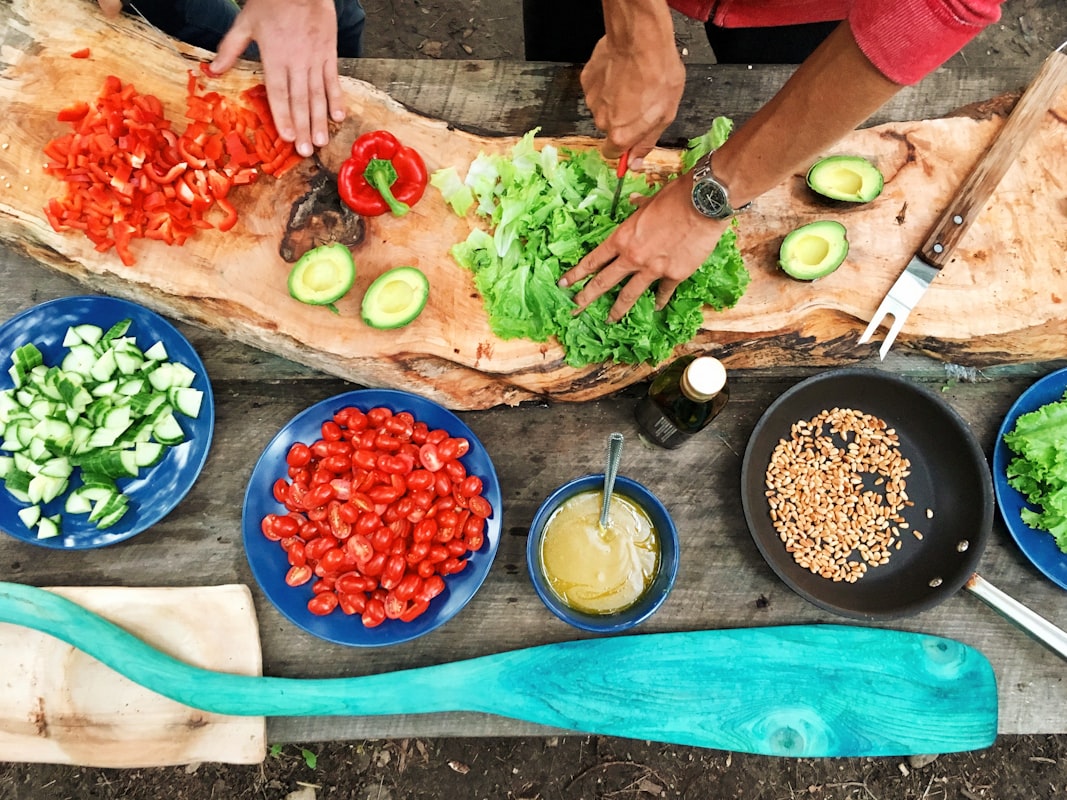
Benefits of Sustainable Kitchen Practices
Environmental Benefits
- Reduced chemical runoff protecting water ecosystems
- Lower carbon footprint through local ingredient sourcing
- Minimized kitchen waste directed to landfills
- Support for agricultural biodiversity and soil regeneration
- Reduced energy consumption in meal preparation
Personal Wellness Benefits
- Access to nutrient-dense, pesticide-free ingredients
- Improved food quality with enhanced flavor and nutrition
- Greater engagement and mindfulness during meal preparation
- Cost savings through waste reduction and bulk cooking
- Connection to community through local food networks
The Sustainable Cooking Process
Source Consciously
Research your ingredient origins. Visit farmers markets, join community-supported agriculture programs, and build relationships with local producers who share your values about sustainable farming practices.
Plan Strategically
Create meal plans around seasonal produce. This reduces food waste, minimizes shopping trips, and ensures you use ingredients at their peak nutritional value while supporting Austrian agricultural seasons.
Prepare Thoughtfully
Use whole ingredients, minimize packaging waste, and adopt cooking methods that conserve water and energy. Batch cooking and proper food storage maximize efficiency and minimize daily resource consumption.
Eat Intentionally
Savor meals prepared with care and understanding. Share stories about your food's origins, appreciate the environmental stewardship behind each ingredient, and cultivate gratitude for nourishment.
Sustainable Cooking Techniques in Action
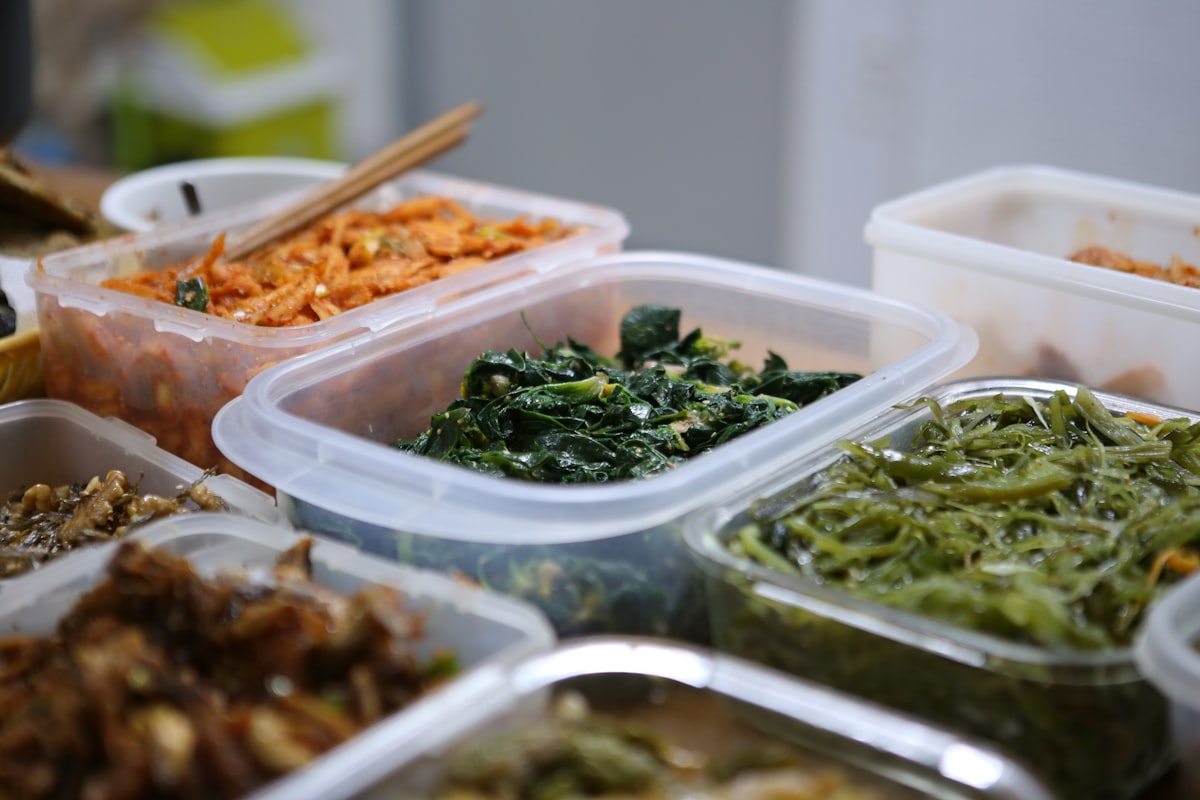
Root-to-Stem Cooking
Transform vegetable scraps—carrot tops, beet greens, celery leaves, and broccoli stems—into nutrient-rich broths, pestos, and side dishes. This technique reduces waste by up to 40% while discovering new flavors and nutritional profiles in ingredients typically discarded.
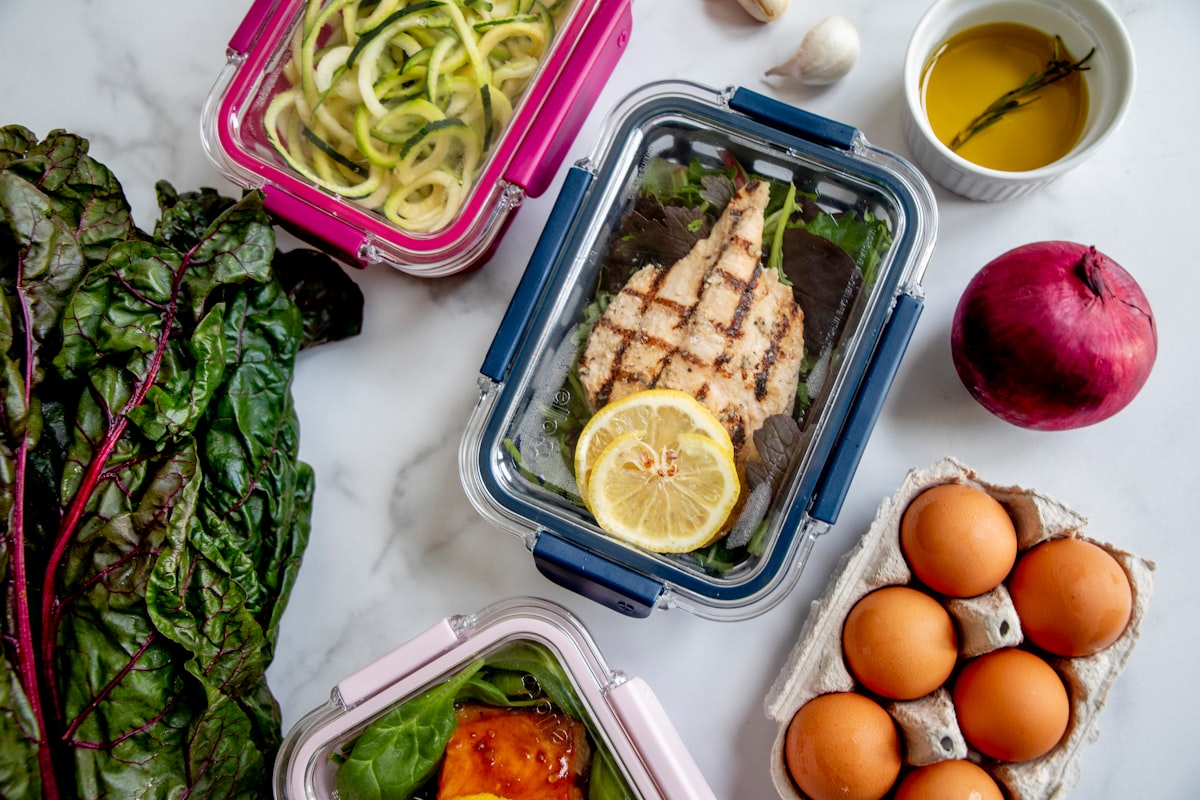
Batch Cooking and Meal Prep
Prepare large quantities of grains, proteins, and vegetables during dedicated cooking sessions. This approach conserves energy through single oven/stovetop use, reduces packaging from takeout, and enables you to utilize ingredients before spoilage occurs.
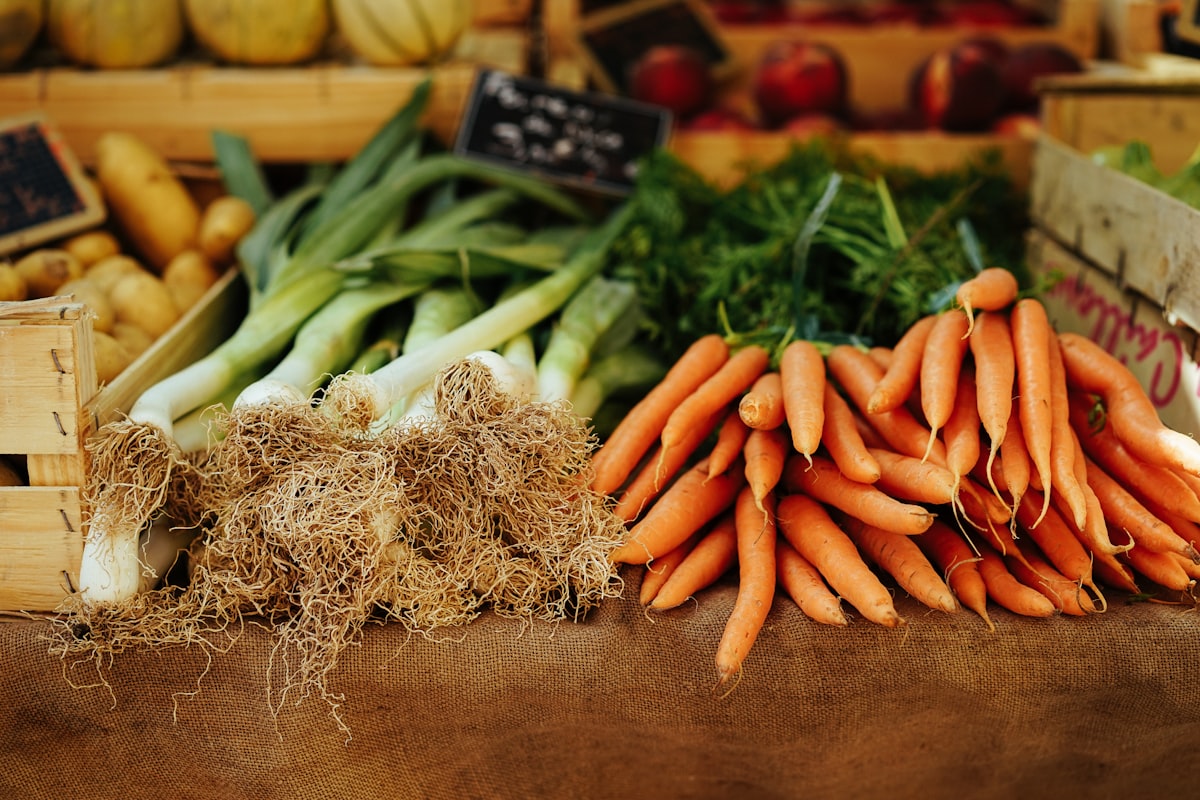
Water-Preserving Cooking Methods
Master steaming, pressure cooking, and braising techniques that use minimal water while concentrating flavors and retaining nutrients. These methods prove especially valuable during dry seasons and demonstrate that sustainability and culinary excellence align perfectly.
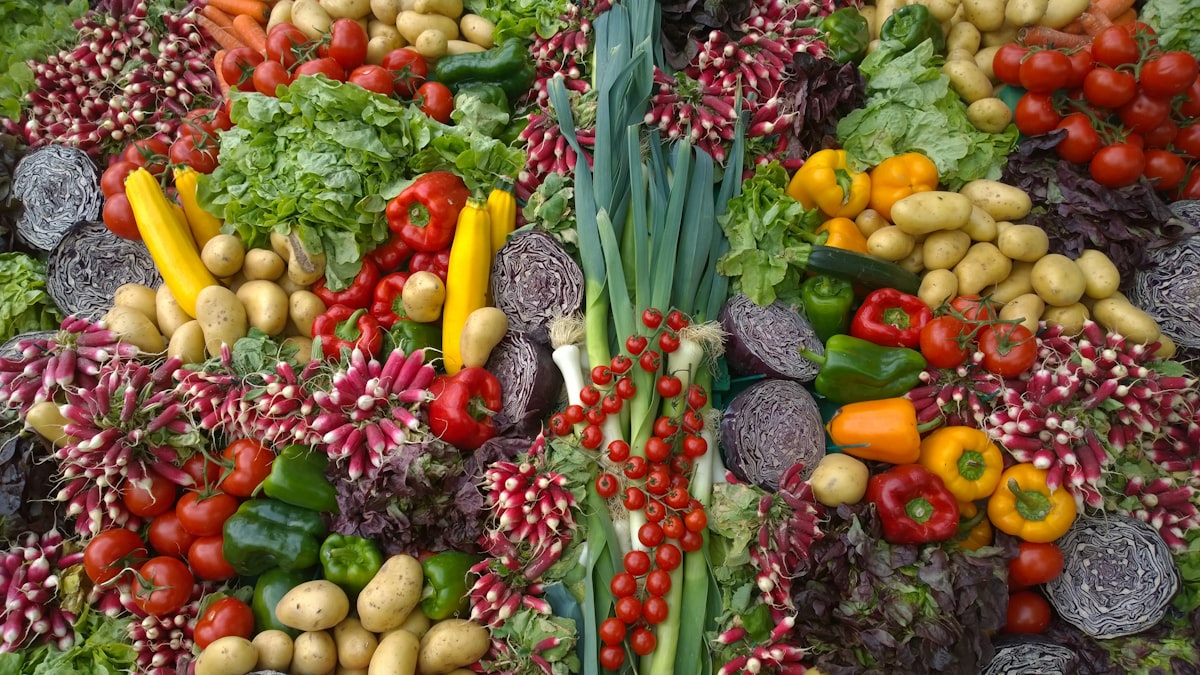
Composting and Circular Systems
Establish a composting system for unavoidable food scraps, creating nutrient-rich soil amendment for home gardens or community projects. Composting closes the nutrient loop, reducing landfill methane emissions while generating resource for sustainable local agriculture.
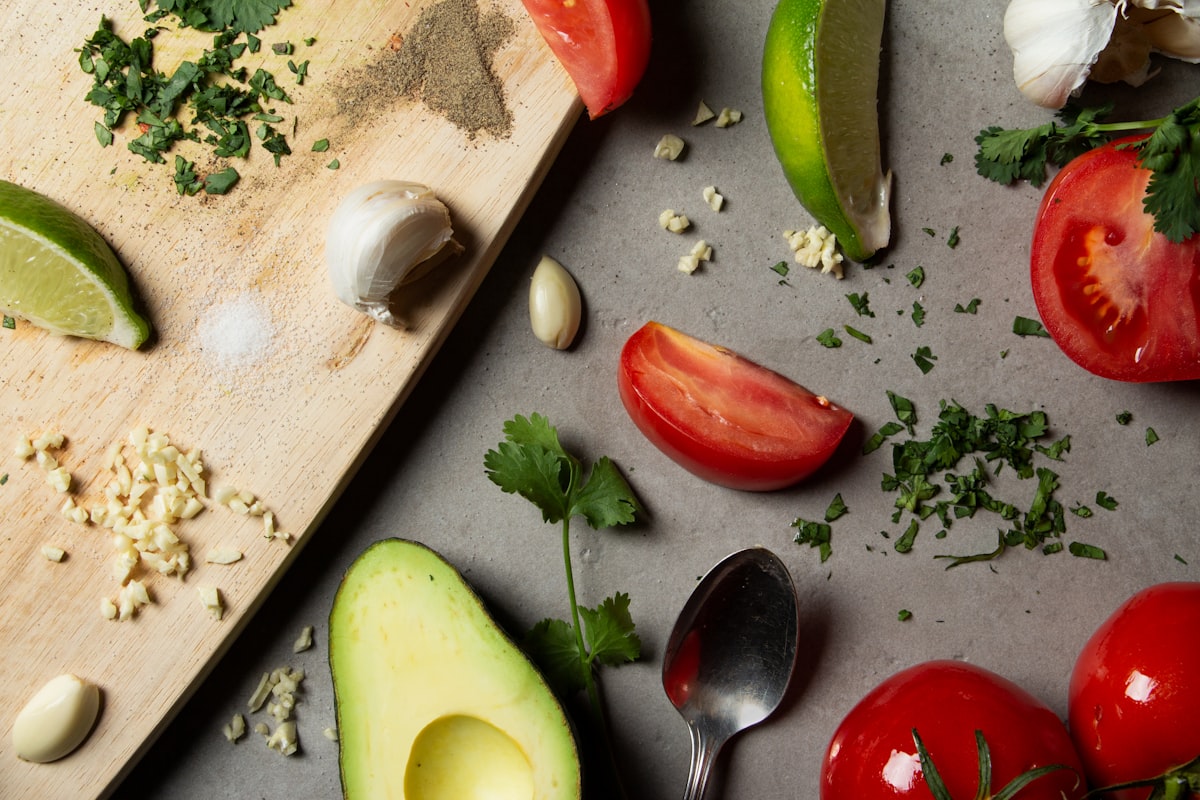
Local Sourcing Networks
Build relationships with farmers markets, community-supported agriculture cooperatives, and direct farm sources across Austria. Direct purchasing eliminates packaging waste, supports regional economies, and ensures freshness while reducing transportation-related carbon emissions significantly.
Mindful Kitchen Equipment
Invest in durable, chemical-free cookware—stainless steel, cast iron, glass containers. Proper maintenance extends equipment lifespan to decades, reducing manufacturing waste and resource consumption. Quality tools become kitchen companions rather than disposable commodities.
Eating Seasonally in Austria
Austria's diverse climate supports a rich seasonal food calendar. Understanding what naturally grows during each season enables you to plan meals aligned with agricultural reality, access peak-nutrition ingredients, and support farmers during their productive periods.
Spring (March-May)
- Asparagus and green vegetables
- Fresh herbs and greens
- Early potatoes
- Rhubarb and berries
Summer (June-August)
- Stone fruits and berries
- Tomatoes and peppers
- Zucchini and summer squash
- Cucumber and beans
Autumn (September-November)
- Apples and pears
- Root vegetables and squash
- Grapes and plums
- Mushrooms and cabbage
Winter (December-February)
- Root cellared vegetables
- Stored apples and pears
- Winter greens and kale
- Preserved goods and grains
Common Questions About Sustainable Cooking
Is sustainable cooking more expensive?
While organic produce can cost more upfront, sustainable cooking practices typically reduce overall food expenses through waste reduction, bulk purchasing, and batch cooking. Fewer visits to restaurants and takeout, combined with maximizing ingredient use, result in significant savings over time. Investing in seasonal, local produce also means paying fair prices during peak harvest when costs naturally decrease.
How do I start sourcing locally in Austria?
Begin by visiting farmers markets in your area—most Austrian cities host regular markets featuring local producers. Join a Community Supported Agriculture (CSA) program for regular seasonal deliveries. Research farm shops near you and connect with local agricultural cooperatives. Building relationships with farmers allows you to understand their growing practices and secure the freshest seasonal ingredients directly.
What equipment do I need for sustainable cooking?
Start with basics: quality stainless steel or cast iron pans, sharp knives, cutting boards, glass storage containers, and a good colander. Add a pressure cooker or slow cooker for energy-efficient batch cooking. You don't need expensive gadgets—simple, durable tools serve sustainable cooking well. Prioritize quality items designed to last decades rather than trendy appliances requiring frequent replacement.
How can I reduce food waste in my kitchen?
Plan meals around ingredients you already have, store produce properly to extend shelf life, and embrace root-to-stem cooking. Start a compost system for unavoidable scraps. Learn preservation techniques like fermentation, freezing, and pickling to extend ingredient availability. Understand proper storage methods for different produce types, and organize your pantry using first-in-first-out rotation systems.
Can I practice sustainable cooking with a limited budget?
Absolutely. Sustainable cooking aligns naturally with budget-conscious practices. Seasonal produce costs less during peak harvest. Dried beans, lentils, and grains offer excellent value and nutrition. Building relationships with farmers can lead to discounts on slightly imperfect produce. Batch cooking stretches ingredients further, and waste reduction means buying only what you'll use. Sustainability and affordability work together, not against each other.
How do I know if produce is truly organic?
Look for certified organic labels from recognized Austrian or EU certifying bodies. EU organic standards require transparent certification processes. When buying from farmers' markets, ask vendors about their certification and growing practices. Organic certification ensures no synthetic pesticides or GMOs, but you can also build relationships with local farmers to understand their methods firsthand.
Can I learn organic cooking if I'm a beginner?
Absolutely! Organic cooking is about understanding ingredients and respecting their natural flavors. Our Organic Kitchen Course is designed for all skill levels, starting with fundamentals like selecting quality produce, basic knife skills, and simple recipes that highlight organic ingredients. Beginners often discover they enjoy cooking more when working with fresh, organic foods.
What equipment do I need to get started?
You don't need expensive gadgets. Essential items include a sharp knife, cutting board, quality pots and pans, and basic utensils. Our course teaches you to maximize what you already have and invest wisely in tools that truly enhance your cooking. Many organic recipes actually require fewer specialized tools than conventional cooking.
What Our Students Say
"This course transformed how I shop and cook. I now understand where my food comes from and can prepare meals that taste incredible. The instructor's passion for organic cooking is truly infectious."
Maria K., Vienna
"As a parent, I wanted my family to eat healthier. The practical techniques taught here made organic cooking accessible and affordable. My kids now enjoy vegetables they used to refuse."
Thomas M., Graz
"I've taken cooking classes before, but nothing compares to learning the 'why' behind organic food choices. This course empowered me to make conscious decisions in the kitchen."
Sofia L., Salzburg
"The sustainable practices shared in this course align with my values. I feel good about what I'm serving my family, and the recipes are genuinely delicious. Highly recommended!"
Andreas W., Innsbruck
Ready to Transform Your Kitchen?
Join hundreds of students who have discovered the joy of organic cooking. Learn sustainable techniques, build confidence, and create meals that nourish your body and respect the earth.
Limited spots available • Start learning within 24 hours